
Key Takeaways
- Be honest, if looking at your to-do list first thing in the morning makes your stomach drop a little, the list is the problem not you.
- Dumping every single thing you need to do onto one piece of paper feels organised but mostly it just sets you up to feel like you failed by 4pm.
- The tasks that belong on the list are the ones connected to something that actually matters, everything else is just busy work in disguise.
- Keeping a done list alongside your to-do list sounds pointless right up until the moment you actually try it and see what it does for your mindset.
- Five honest minutes at the end of the day asking yourself what worked is worth more than any productivity system you will ever pay for.
To-do-list is a great reminder tool that jogs your memory about what tasks has to be accomplished in a particular day but at the same time it can be a niggling tool too that would hamper your productivity, if you fail to carry out the tasks jotted down.
This motivating element can turn out to be demotivating, if it is not planned strategically. Preparing to-do list doesn’t mean to spill all the tasks on a piece of paper and expect it to get completed within a specific time frame.
The main objective of to-do list is to complete tasks with efficiency rather than preparing a long list and making it less powerful. Instead of mentioning each and every task on the to-do list, focus on only those tasks that are valuable. If you fail to complete all the tasks, you invite unwanted anxiety and hinder the output. You need to prepare the to-do list in such a way that it motivates you and encourages you to work much better.
Here are few key tips that will help you to make your to-do list more effective and tension-free:
Choose your tasks wisely:
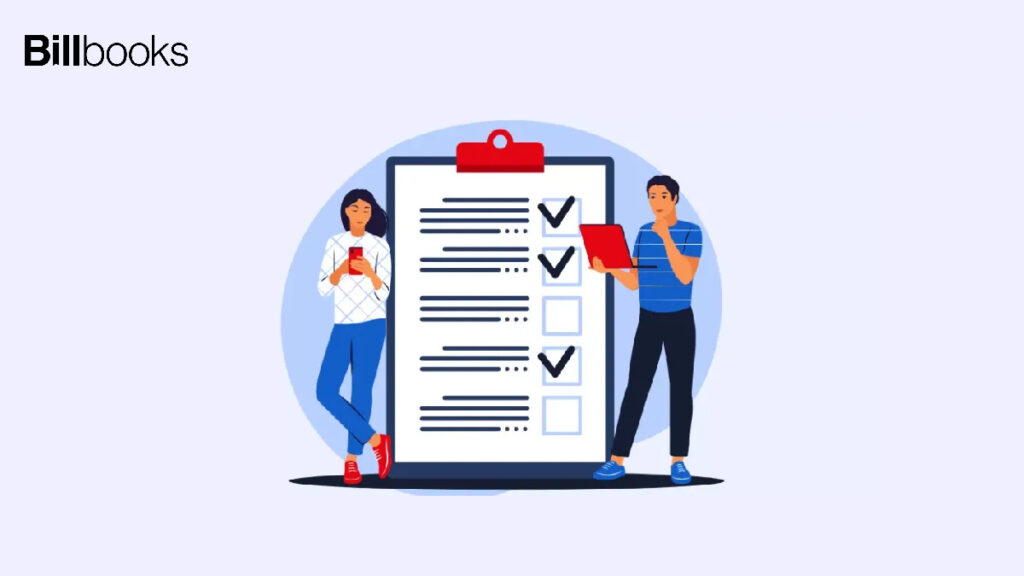
It is quite obvious if you overfill the to-do- list, you will be unable to complete all the tasks.
- So instead of jotting down all the tasks that you need to perform throughout the day, write down only the significant tasks that will bring you much closer to your goal
- Do not mention small tasks, lay focus on the major tasks
- Cleaning your mail inbox, sorting out files and other such minor tasks will not help you to attain the goal, thus it’s better to ignore these mediocre duties in your to-do list
Accompany your to-do list with done list:
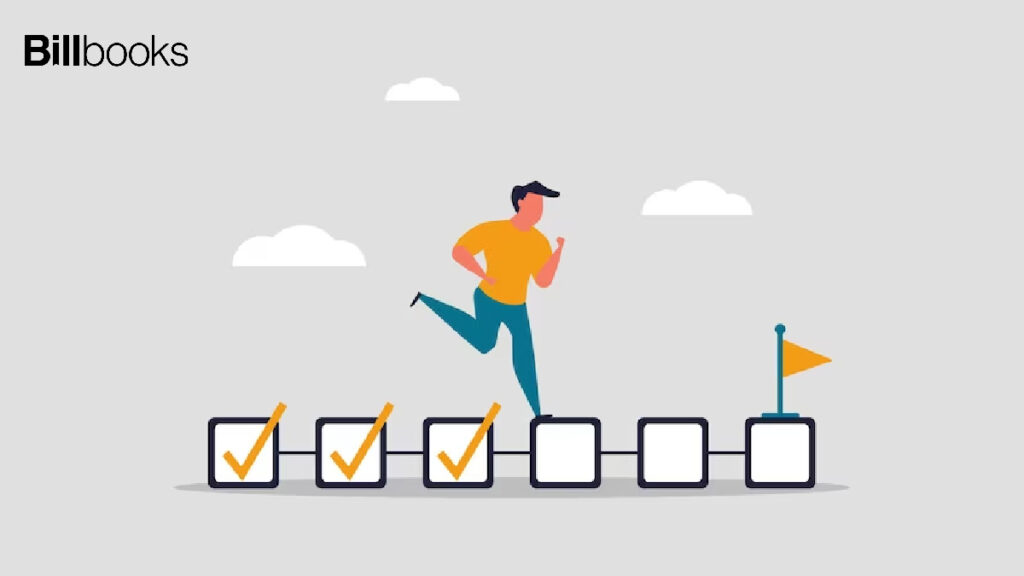
It may sound silly or waste of time to create a done list but it will certainly benefit you.
- It will give you a feeling of accomplishment and also motivate you to do well
- As the do list will assist you to know what has to be done, the done list will let you know what tasks has already been done. This will give confidence that you can accomplish your tasks effectively and motivate to continue with the accomplishments
- Done list act as a progress report which let you know how much you have achieved and will also give you an idea about the pending tasks
- If you notice that you have managed to complete the priority tasks then it will boost your spirit you can work further more productively
Wrap up by analyzing:

After creating the list, accomplishing the tasks, at the end of the work day, you can remove sometime and analyze how the tasks were completed or failed.
- This will aid you to stay more focus and also help you to improve your mistakes, so that next time you can successfully complete the task
- You can ask yourself questions like what assisted you to progress in few tasks, what went wrong, in case of failure, what were the disturbances, what negative impact it will have on your final goal etc. This way you can improve and boost productivity
Lengthy to-do lists are just nerve-racking and may suck up all your energy, thus it is better to create a short but effective task list and complement it with above factors so that you can stay focused and attain your goal productively.
When it's time to get paid, make it easy on yourself.
Create your first invoice with Billbooks, free to start.
FAQs
Q1. Why does my to-do list leave me feeling worse by the end of the day?
Almost always because there is just too much on it. You start the morning fired up with fifteen things to do, get through six of them, and then spend the evening staring at the nine you never touched feeling like the day was a write off. It probably was not. Your list just made promises your day could never keep.
Q2. How many things should realistically go on a daily to-do list?
A lot fewer than you think. Three to five tasks that actually mean something is a far more honest target than the twelve item marathon most of us write out every morning. You are not trying to account for every hour of your existence. You are just trying to finish the day knowing you moved something forward that actually mattered.
Q3. What should I stop putting on my list right now?
All the tiny automatic stuff you would do anyway without being reminded. Checking emails, tidying up, sending a quick reply, these happen whether they are written down or not. Putting them on the list just gives you easy ticks that feel like momentum but are really just running on the spot.
Q4. What is a done list and why does it actually help?
It is just a record of what you finished rather than what is still waiting. Sounds unnecessary right? Try it for one week and see what happens. There is something genuinely grounding about reading through everything you actually completed at the end of a hard day. The whole story of the day changes when you see it written down like that.
Q5. How do I figure out which tasks are actually worth being on the list?
Ask yourself the slightly uncomfortable question of whether this task genuinely moves you toward something important or whether it just feels urgent right now. Most of us are brilliant at filling our days with things that keep us busy and comfortable without getting us anywhere we actually want to go. The list should reflect what matters not what feels safe.
Q6. What does it mean if I never finish everything on my list?
It means the list is the problem not you. Consistently falling short of your own daily plan is not a willpower issue it is a planning issue and the only real fix is being brutally honest about what one person can actually do in a single day. Cut the list down until finishing it feels achievable and just start from there.
Q7. Is there a better way to plan your day than a regular to-do list?
Some people find time blocking far more useful because you are assigning tasks to actual slots in your calendar rather than just hoping they happen somewhere between breakfast and bedtime. Others like the one three five method which is one big task, three medium ones, five smaller ones. Honestly the format is secondary. What matters is being real with yourself about what is actually doable before you run out of day.