
Key Takeaways
- Most people focus entirely on sending invoices correctly but what happens at the client's end is just as important and worth understanding.
- Every incoming invoice goes through a verification process before anyone signs off on payment and skipping steps is how costly errors happen.
- Cross checking the invoice against the original purchase order is one of those steps that sounds tedious until the day it catches a real discrepancy.
- Electronic invoices move through the same essential steps as paper ones just faster and with less room for things to get lost along the way.
- Whether the process is manual or automated the sequence of steps should never be rushed because at the end of the day this is real money moving hands.
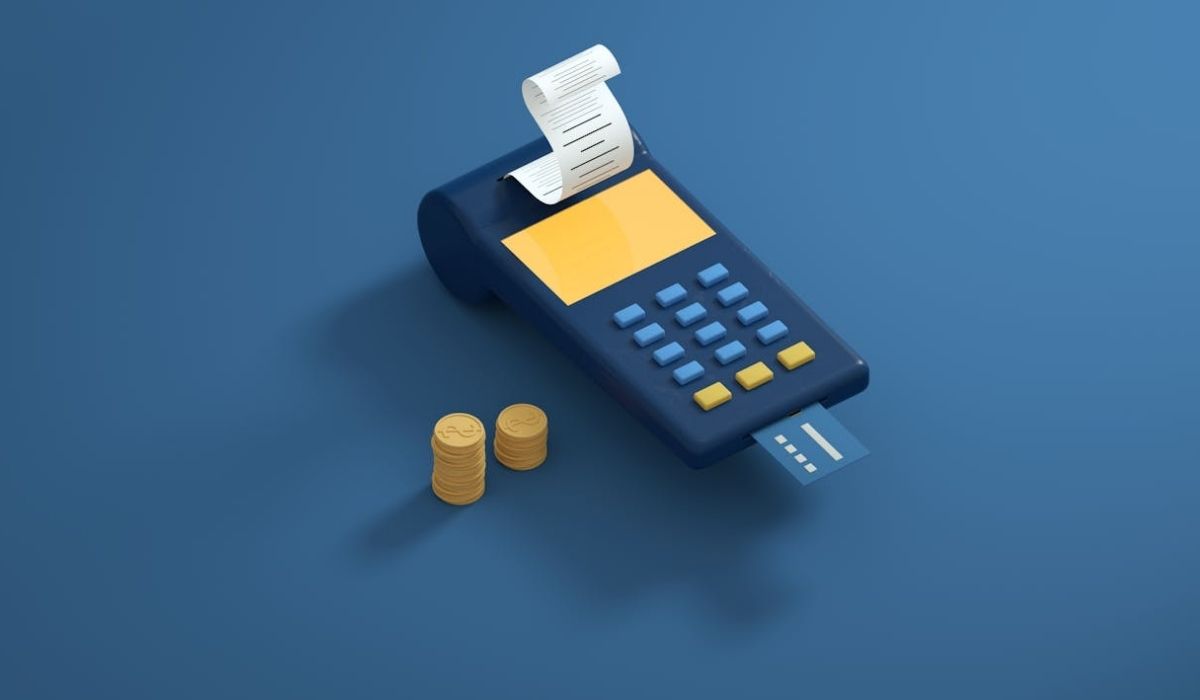
We predominantly have exchanged views on process and technique involved in sending invoice but hardly ever paid attention to the invoice processing carried out at the client’ end. Let’s check-out the process related with incoming invoice.
Hard work has to get paid while hard-earned money has to be spent wisely. The key solution for both hard work and hard earned money is effective and streamlined invoice. This will ensure that business gets paid appropriately for its efforts and the client doesn’t drain the money.
Whether the client receives the invoice on paper or via electronic mode, archetypal invoice processing has to be carried out to ensure the bill received is valid and accurate. Before the payment is made, proper processing is performed at the client’s end.
Let us understand the process related to incoming invoice:
Once the invoice is arrived at the organization, the first thing to do is scrutinize the bill. The bill is usually verified by accounts payable department, bookkeeper or the business owner himself (in case of small business).
After the document is verified and confirmed to be invoice, it would be categorized. The invoice is classified into various categories. Category of invoice varies according to the organization.
If the organization has acquired purchase order while placing the order then it must be cross-checked with the invoice and make certain the amount on the purchase order and invoice is same.
Once all these steps are followed and there is no issue then the accounts payable department will forward the invoice to respective person who has placed the order.
If the products and services are delivered properly, on time and the amount is charged correctly, the client would agree to make the payment by signing off the invoice.
Once the client agrees to make payment, the approved invoice will be finally posted into the accounting system.
If invoice is received in electronic form then the respective person will scan the invoice image and convert it into text researchable document and then follow the further steps. In online process, the invoice data will be automatically compared with the purchase order and if it matches, the invoice will be sent to the responsible person through email. After the invoice is approved payment will be made.
Manual or automated, whatever is the means of invoicing, process should be executed step by step as it is money matter.
Ready to simplify your invoicing?
Create your first invoice with Billbooks in under two minutes, free to start.
FAQs
Q1. What actually happens when a client receives your invoice?
The first thing that happens is verification. Someone on the client's side, whether that is an accounts payable team, a bookkeeper, or the business owner themselves in a smaller setup, checks that the document is a legitimate invoice and that the details on it actually make sense before anything else moves forward.
Q2. Why do clients categorise invoices before processing them?
Because not every invoice is the same and different types need to be handled differently depending on the organisation and what the payment relates to. Categorising incoming invoices keeps things organised and makes sure each one ends up with the right person rather than sitting in a pile going nowhere.
Q3. What is the point of cross checking an invoice against a purchase order?
It is basically a double check to confirm that what is being charged matches what was actually ordered and agreed upon. If the numbers do not line up that is a problem worth catching before payment goes out rather than trying to sort it out afterwards which is always a messier conversation.
Q4. Who actually approves an invoice before payment is made?
Typically the person who placed the original order is the one who signs off on it. They are in the best position to confirm that the products or services were delivered properly, on time, and at the agreed price. Once they give the green light the invoice gets posted into the accounting system and payment follows.
Q5. How does electronic invoice processing differ from paper based processing?
The core steps are the same but electronic processing moves faster and involves the invoice being scanned and converted into a searchable document. In more automated setups the invoice data gets compared against the purchase order automatically which cuts down on manual checking time and reduces the chances of human error creeping in.
Q6. What happens if there is a discrepancy between the invoice and the purchase order?
It gets flagged and the payment is held until the issue is sorted out. This is exactly why accurate invoicing on the sending side matters so much. Discrepancies cause delays, create awkward back and forth conversations, and sometimes damage the professional relationship if they happen too regularly.
Q7. Can small businesses follow the same invoice processing steps as larger companies?
Absolutely and they probably should even if it feels like overkill at first. Having a clear process for checking, categorising, and approving incoming invoices protects the business from overpaying, being charged incorrectly, or losing track of what has and has not been paid. The size of the business does not change how important accurate financial records are.
Q8. Why does invoice processing matter so much even when you trust the supplier?
Because trust does not eliminate human error. Mistakes happen on invoices all the time, wrong amounts, duplicate charges, incorrect descriptions, and having a proper process in place means those mistakes get caught before payment goes out rather than after. It is not about distrust it is just good financial housekeeping.