Key Takeaways
- Picking a random number or charging the same rate for every project regardless of size or complexity is one of the fastest ways to quietly lose money.
- Time tracking is not just an admin task, it is the most honest way to understand what your work actually costs and charge accordingly.
- Breaking down a project into individual tasks before quoting gives clients a clear picture of what they are paying for and why.
- Some tasks cannot be easily billed for individually so building a buffer percentage into your estimate is a completely reasonable and smart move.
- A clear and detailed invoice does not just look professional, it genuinely reduces the back and forth that delays payment.
Initially when you start up a business or commence with your freelancing job, more than being jittery about the project, you are more agitated about the pricing aspect. As you are well-versed with your skills, you are positive about the outcome but are unaccustomed with pricing factor.
Being a newbie, you are not sure about how to estimate the cost and just pick any number which you feel suits your project or follow same pricing pattern for all of your projects irrespective of the size and time taken for completion. This way you can encounter heavy loss. More work and less money will end your business journey. Instead of making profit, your business may witness a downfall at the initial stage, itself. Even if you are not good in numbers, you need to track your expenses, appropriately to get paid right. Due to lack of prior experience you may face complexity but as time passes, you will be acquainted with the price estimation too.
However, we can decrease your level of anxiety by providing you some useful tips that will help to estimate your project price, accurately.
Time tracking - Essential for creative business:

Sometimes a 50 page website may get completed within a month while on the other hand a 15 page website designing may take months together for completion. Now if you estimate your project price depending upon the size of the website then certainly you are inviting loss. Project completion depends upon the difficulty level, effort put in, creativity, search and other such time-driven factors. Months together, you work on certain project without undertaking anything new and if you price it as per the size, you will be definitely paid very less. Hence for such projects, price should be estimated as per time taken. When you start accounting for every hour of effort, your productivity may improve. Track each task independently with respect to time taken and then estimate the overall price.
Estimate cost for each task, individually:
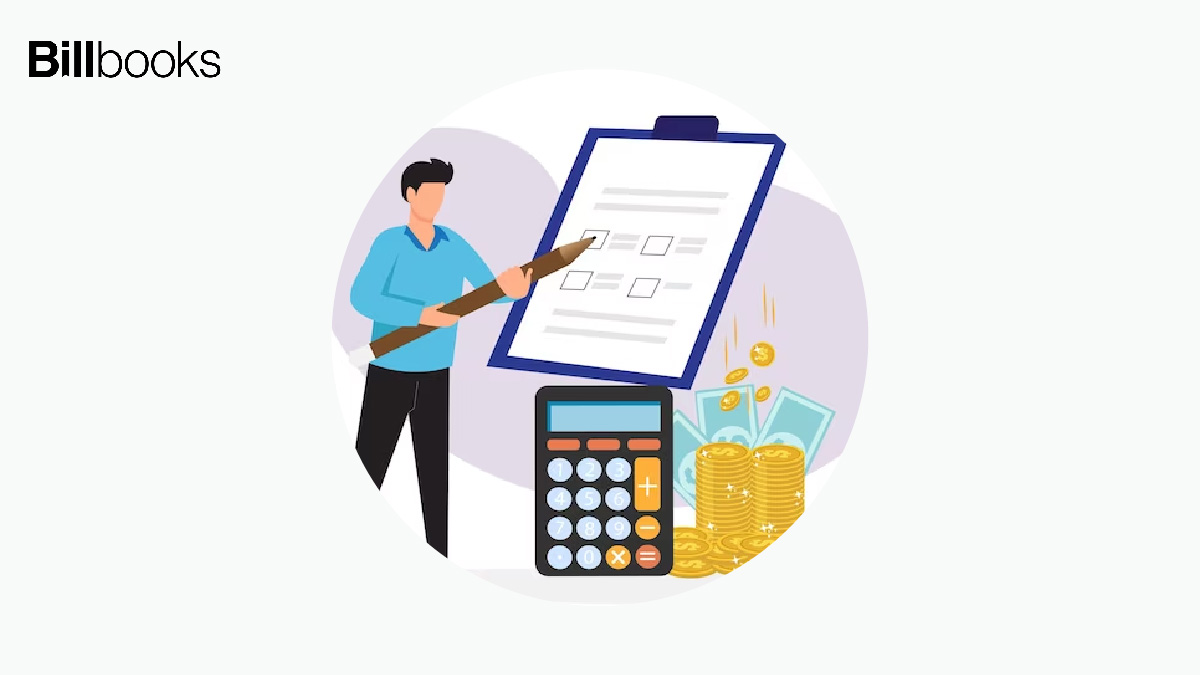
You need to integrate various components to come up with one project. Each component will have its own value. Check how much time and effort, each task takes and quote price according to that. There are some tacks for which you cannot estimate specific amount. For such unbillable tasks, you should set certain price for it or add certain percent extra cost upon your estimated price and charge the clients. These types of tasks differ from profession to profession and it depends upon the business whether they want to directly charge for it or indirectly.
Breakdown the project and present it to client:
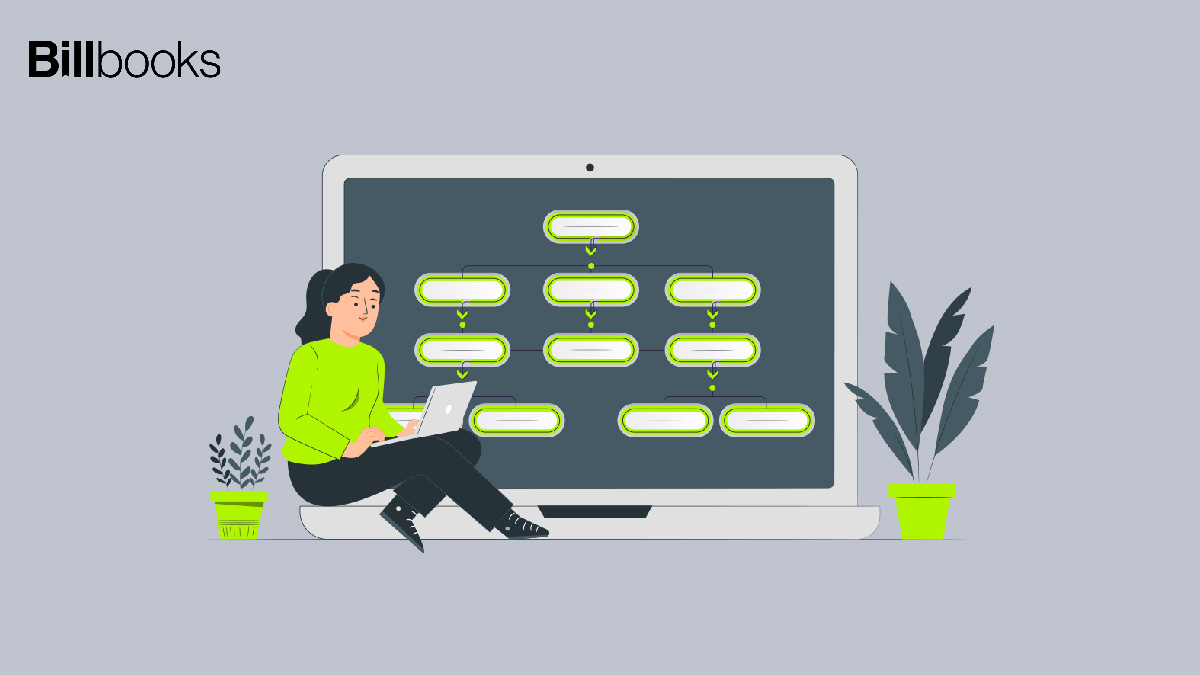
Instead of directly showing estimates to your client, you can first explain the client how long the project would take, how you will present the features, what all tasks you need to perform and finally quote him the price. This way client will understand that you are not just vaguely estimating the price. The client will come to know that what all features he will be getting within the estimated price. If the buyer feel the budget is too high then he may courteously ask to eliminate any feature rather than rejecting the complete project. This method of estimating is beneficial for both business and client.
Detail and clear invoicing:
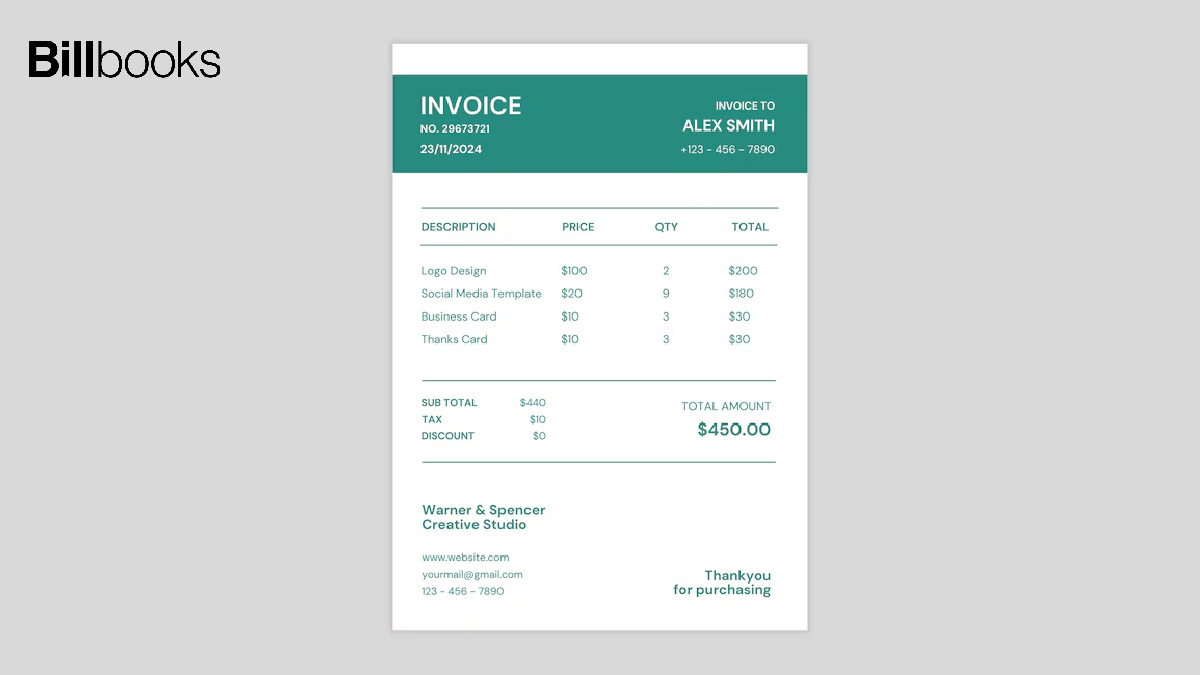
An understandable invoice is an ultimate key to get salary for your project. If you clearly mention all the elements for which you have priced, the client would contently pay his bill. Mention how much time you spent on each task, also mention the unbillable task. Price realistically or else you may lose your client. There is an array of online invoicing apps that allow you to create a clear and customized bill, effortlessly. Billbooks is one such online software which will help you to prepare unlimited estimates and lucid invoices within minutes.
So, next time when you undertake any project, just pay heed to the above guidelines and create accurate estimates without any complexity.
Ready to simplify your invoicing?
Create your first invoice with Billbooks in under two minutes, free to start.
FAQs
Q1. why do new freelancers always mess up their pricing?
Honestly they're mostly just guessing and hoping for the best, you know. Without real experience it’s way too easy to just pick a random number that feels okay or copy what someone else does without really knowing your own costs or like, how much time you're actually spending.
Q2. Why does time tracking matter so much when putting together an estimate?
Because the size of a project tells you almost nothing about how long it will genuinely take. A small website can drag on for months while a bigger one wraps up quickly. Without tracking your hours you are basically estimating blind and usually end up shortchanging yourself.
Q3. How should I approach breaking down a project before quoting?
Go task by task rather than treating the project as one big lump sum. Think about how long each part will realistically take, what skill and effort is involved, and whether there are any costs attached. Add those up properly and your estimate will actually reflect the work rather than just a number you came up with on the spot.
Q4. What do I do with tasks that are difficult to put a specific price on?
Every project has a few of those. The smartest move is to either set a standard flat fee for them upfront or add a buffer percentage on top of your overall estimate to cover them. Absorbing those hours for free is how you end up working a lot more than you ever got paid for.
Q5. Is it worth walking the client through the estimate before sending it over?
Always. When a client understands what the work actually involves and why it costs what it costs the number feels earned rather than random. It also opens the door for them to adjust the scope if the budget is tight rather than just disappearing on you altogether.
Q6. How much detail should actually go into an invoice?
Enough that the client knows exactly what they are paying for without needing to ask. Break out the tasks, show the time spent, be upfront about your rates, and mention any work you absorbed that was not directly billable. A clear invoice gets paid faster because there is nothing to question or dispute.
Q7. What actually happens when you undercharge just to land a client?
You set a rate that becomes almost impossible to raise later without an awkward conversation. You also end up resenting the work over time because the effort never matches the return and that tends to show up eventually in the quality of the relationship and the work itself.
Q8. Does invoicing software actually make a meaningful difference?
For anyone managing more than one or two clients at a time it really does. It lets you build estimates quickly, flip them into invoices without starting over, track time, and keep a clear record of what has been paid and what is still outstanding without having to piece it all together manually every time.