
Key Takeaways
- Sign a contract before touching any work, not after the client goes quiet.
- Check your own invoice first before assuming the client is in the wrong.
- Automated reminders handle the follow-up without you having to write an uncomfortable email every time.
- A phone call gets answers faster than three ignored emails ever will.
- Court is an option but the cost rarely makes sense unless the invoice is substantial.
- Never just let an unpaid invoice go, you did the work and that money belongs to you.
- How you handle this situation quietly defines your reputation as a professional.
Becoming a freelancer has many perks – you can keep your own hours, work as much or as little as you need to, and often keep more cash in your pocket than if you were ‘working for the man’. But as any freelancer who’s been working in the gig economy will tell you, before long, you will come across a client who forgets, or worse still, refuses to pay you for the work you’ve already completed. It’s not a nice feeling knowing you’ve put your heart and soul into a job to face the prospect of not being compensated for all your hard work. That’s why we’ve put together this handy guide on what to do when your freelance clients don’t or won’t pay.
Cover your bases before you start
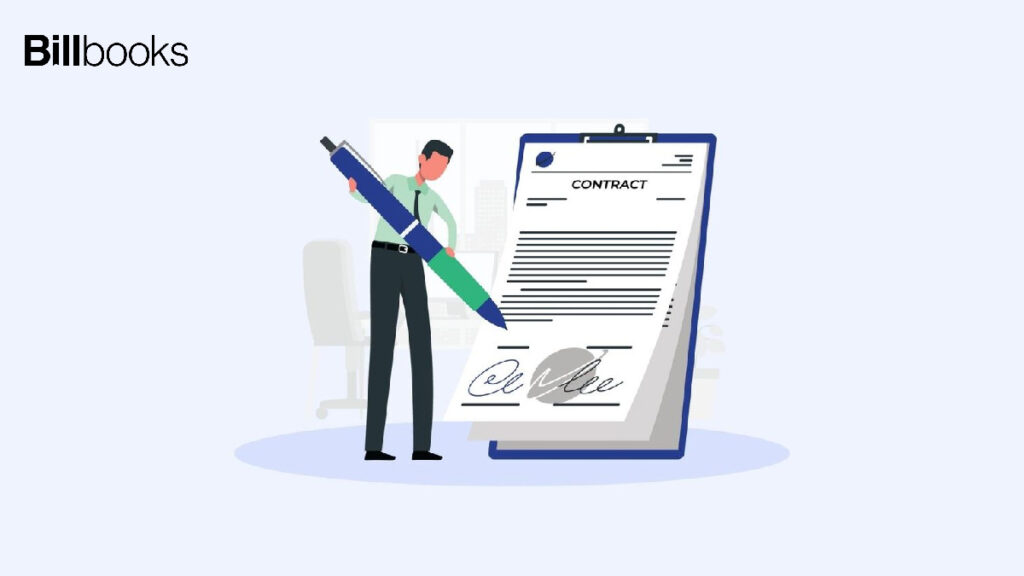
While there are many freelancers who won’t do this, the best thing to do is protect yourself before you start working. In simplest terms, this is a contract that will explain the rate of pay and the due date of the payment after your invoice has been sent. You can use a template to do this if you want to. Make sure that both you and the client sign this before you start working. If anything does go wrong, this will be a blessing if you need to seek legal assistance.
Escalate things in a logical matter

If you’ve noticed that your client still hasn’t paid the invoice after the agreed-upon due date, there is a general procedure that you can consider to lead you down the right professional path.
Take another look at your contract and invoice:
Maybe you’ve missed something (miscounted the days or something simple like that). It happens and it’s always a good idea to ensure it’s not a misunderstanding on your end first.
Resend the invoice along with a friendly reminder:
This can be tricky to remember to do, and it can be difficult to stay calm in the heat of the moment as well, so you could consider using online invoicing software to set up automated payment reminders to take care of this on your behalf. This also will help you look every part a professional.
Make a phone call or show up in person:
If that still doesn’t work, consider skipping the emails and just phoning them up. Or, better yet, show up in person and ask if you can meet with them to discuss matters.
As a last resort, you can of course consider taking them to court if their invoices remain unpaid. But often – with the exception of large invoices – it isn’t worth your time or finances to do so. That said, it’s always an option.
Remember: you are worth your rate
No matter how your client treats you – whether they’re ghosting you, asking for extensions, or just dragging their feet – you are worth your invoice and worth the rate they have agreed to pay. Don’t just let it go and move on. Follow up on the invoice in a way that makes sense for you and stay on top of them to make sure that you get paid.
No one likes working with clients who don’t pay, but all freelancers will run into this situation at least once. Knowing how to deal with it calmly and professionally is critical.
FAQs
Q: what should you even do first if a client hasn’t paid?
Double check the invoice before doing anything else. Just make sure the due date actually passed and nothing is wrong on your end. Then maybe just send a quick note with the invoice attached… nothing mean, just a little nudge to remind them.
Q: how do you ask for the money without it getting all weird or awkward?
Keep it really short. Just the invoice number, the amount, and when it was due. That’s basically all the message needs. If you’re feeling stressed about it, honestly just use some software to send auto-reminders. It takes the pressure off and feels less personal, you know?
Q: The client has gone completely silent, what next?
Stop emailing and call them. Most people find a direct phone call much harder to ignore. If that gets no response either, showing up in person and asking for a meeting is not unreasonable.
Q: Is taking someone to court over an unpaid invoice actually worth it?
Only if the amount is big enough to justify the legal costs and your time. For most small freelance invoices, the process costs more than it recovers. Know that option exists but think carefully before going there.
Q: What is the best way to avoid this happening at all?
A signed contract before work starts covers most of the risk. Put the rate, due date, and late payment consequences in writing and make sure both sides sign it. That one document saves a lot of trouble later.
Q: What if there was never a contract to begin with?
Gather everything you have, emails, messages, files, anything showing the work was agreed and delivered. A formal written demand can still prompt payment even without a signed contract backing it up.
Q: Should I bother chasing a small unpaid amount?
Two emails and one phone call cost you nothing so yes, always try. After that, weigh up how much more of your time the amount is actually worth and make the call from there.
Q: How do I make sure new clients do not pull the same thing?
Upfront deposits, clear payment terms, a signed contract, and automated reminders handle most of it. Taking five minutes to look up a new client before agreeing to work is also a habit that pays off quickly.
