Key Takeaways
- A client who receives no written invoice has every reason to question what they owe and why, do not give them that opportunity.
- The way your invoice looks tells a client as much about your business as the work you just delivered for them.
- Unique invoice numbers, full dates, itemised costs, tax details, and payment terms are not optional extras, they are the basics.
- Writing 1st March 2025 instead of 1/3/2025 is a small thing that removes a genuinely common source of payment confusion.
- A customer who knows precisely what each and every item costs is much less inclined to object to the bill than one who sees just a lump sum.
- Penalties for late payment and rebates for early payment should both be included on the invoice well in advance of the due date.
- The use of invoicing software does the mundane task better, appears more professional, and is far cheaper than the time saved each and every week.
Happy and Prosperous New Year shouldn't be just in wishes, it should reflect in your business too!!!
Planning to start the New Year with new business? Wise piece of advice - Before learning any other business strategy, learn to invoice perfectly for a wealthy and financially healthy 2015.
With all gusto you have set up your new firm, managed to rope in good project and have put yourself out to accomplish it. You must be all excited to deliver it to your client, right? Okay, so what’s next after presenting the project?
Of course, you will be anticipating for your first payment. Do you think, your client will pay you on the basis of your verbally quoted amount? Well, even on purchase of grocery, bill is provided to customer, so it is quite certain, invoice will be crucial in such a large transaction. Customers would probably distrust your services, if you do not entrust them with the written proof of how much you have charged as they may assume that you have overcharged. Generally, businesses struggle with the billing process, especially when they have to handle it all alone. It comes as a nightmare for creative professionals.
Invoices are not only essential for customers but it is also an important document for businesses, to keep record of their sales. No business can sidestep from the billing process; they have to learn it perfectly to ensure smooth cash flow. Creating invoices is certainly not a Herculean task, if you are clear with the process, you can win more work and above all, get paid.
So let’s learn to create invoices like pro:
Basic format of invoice
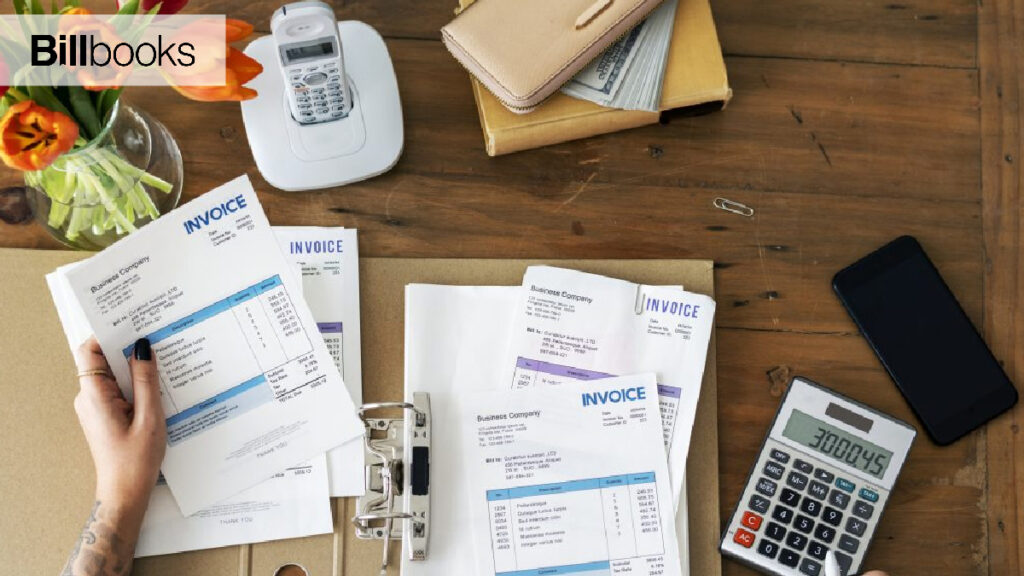
The look and feel of your invoice depends upon your industry type. Let us first discuss the basic structure of your invoice:
- Invoice usually looks much like a business letterhead. The look and language of your invoice should reflect your brand
- It should basically incorporate the colors of your brand and match the motto of your company
- It should mainly contain details about whom you are billing and for what are you billing
Information about your company
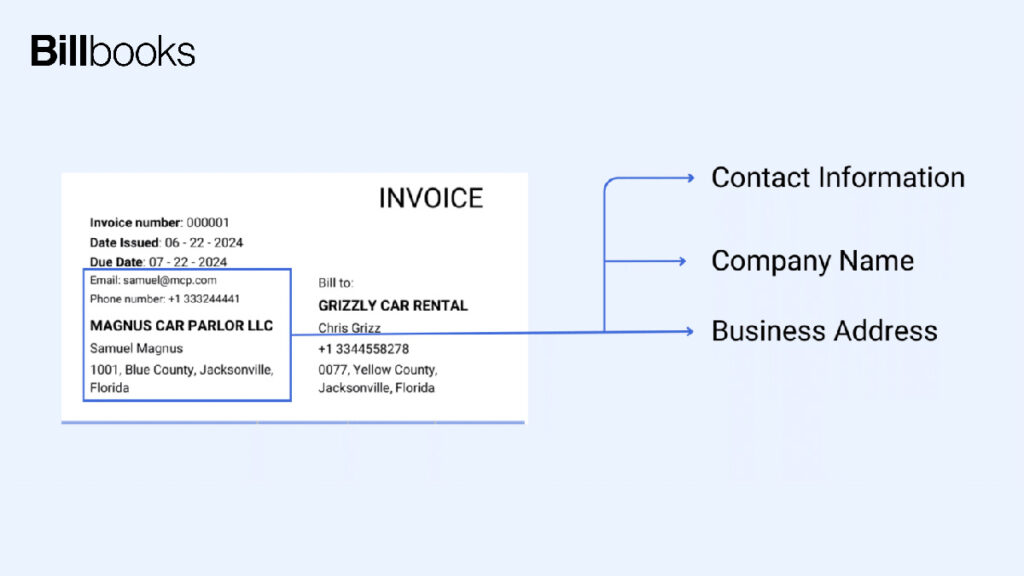
The first part of your invoice should focus on you company. It should clearly mention information about your company that is necessary for the clients.
- The top of the invoice should clearly highlight your company name and its logo. In case of freelance business, mention your full name
- Integrate relevant information like phone number, email ID, website address, company address for the clients to contact you
Mandatory invoice attributes
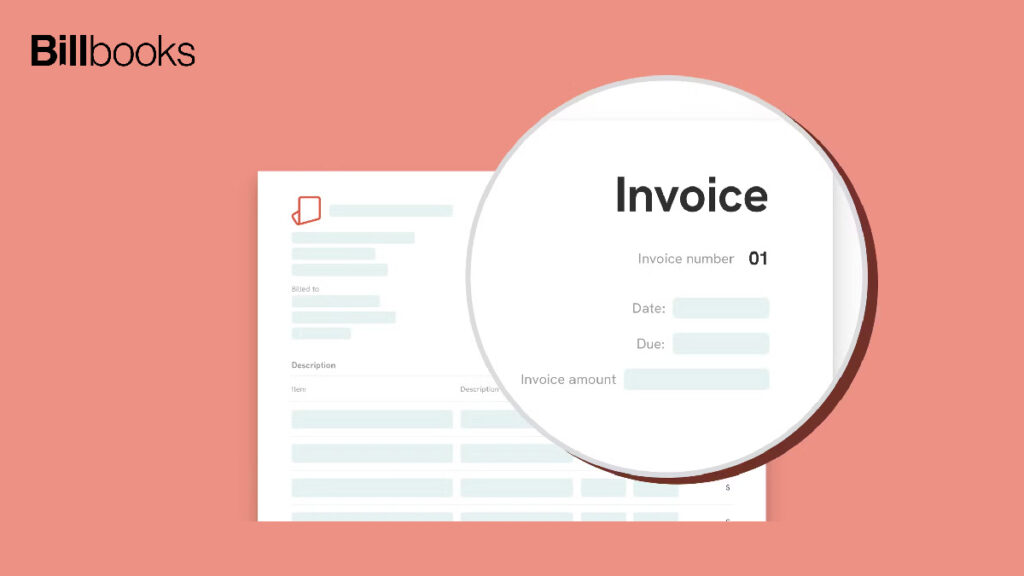
Every invoice should fundamentally include the following elements:
- The key element of any invoice is the bill number. Every invoice should contain a unique invoice number
- It should include date of invoice, due date for payment and P.O. number
- The date format varies from country to country. For example, if a company mentions due date as 1/3/2015 then it could either indicate 1st March or 3rd January, depending upon the location and the date format, they follow. So, to avoid the confusion, it would be sensible to mention date as 1st March, 2015 or 3rd January, 2015 (whichever it indicates)
- Mention the total bill amount along with the tax charges
Client’s information
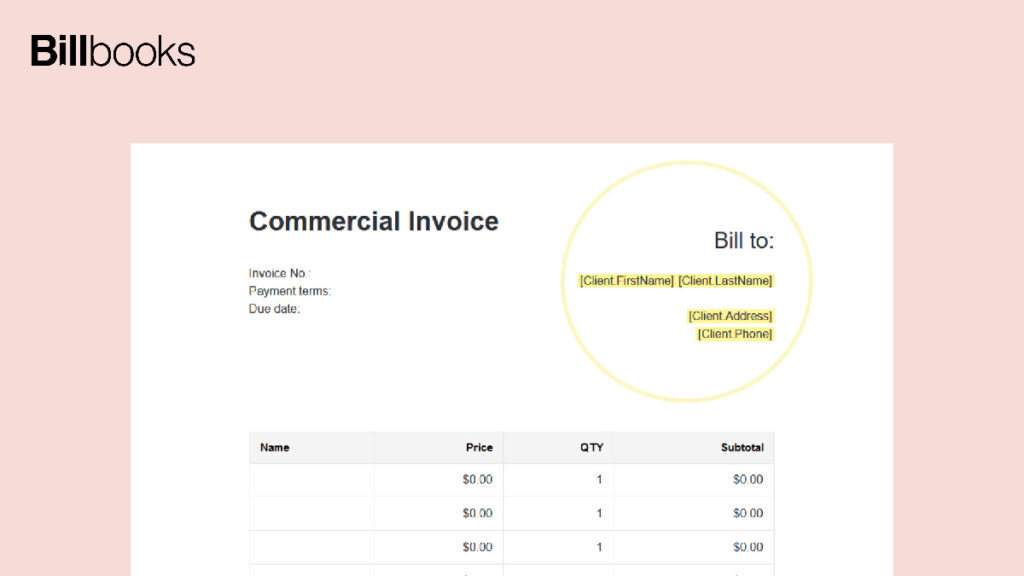
Like a letter after displaying your details, focus on the details of recipient (client) to whom are you invoicing.
- This section of your invoice should contain the name and address of the client to whom you are billing
- It is not essential, that the person with whom you discussed about project will be making the payment. Thus, make sure about who will be making the payment and mention that person’s name and department (if any), accordingly in the bill
Itemized invoice
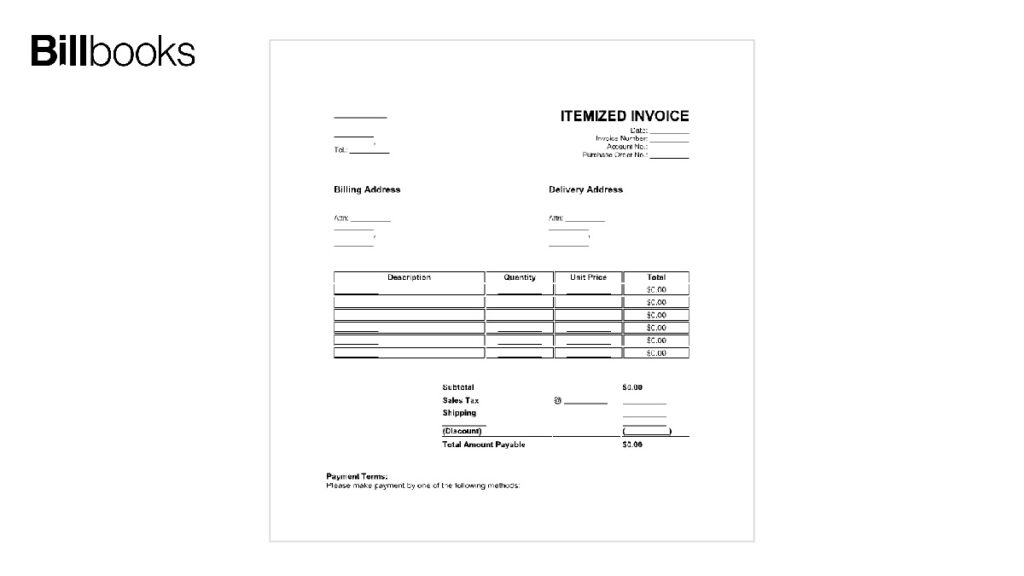
Clients mostly prefer itemized bills as they get an idea about how much the company has charged for each service, tools used for products etc.
- The itemized bill should contain name of the product or service, its description, quantity and price associated with it
- If you are offering discount on certain product or service, mention the discount amount or percentage and the discounted rate
- The product/ service description should match with what you have approved to deliver
Division of costs
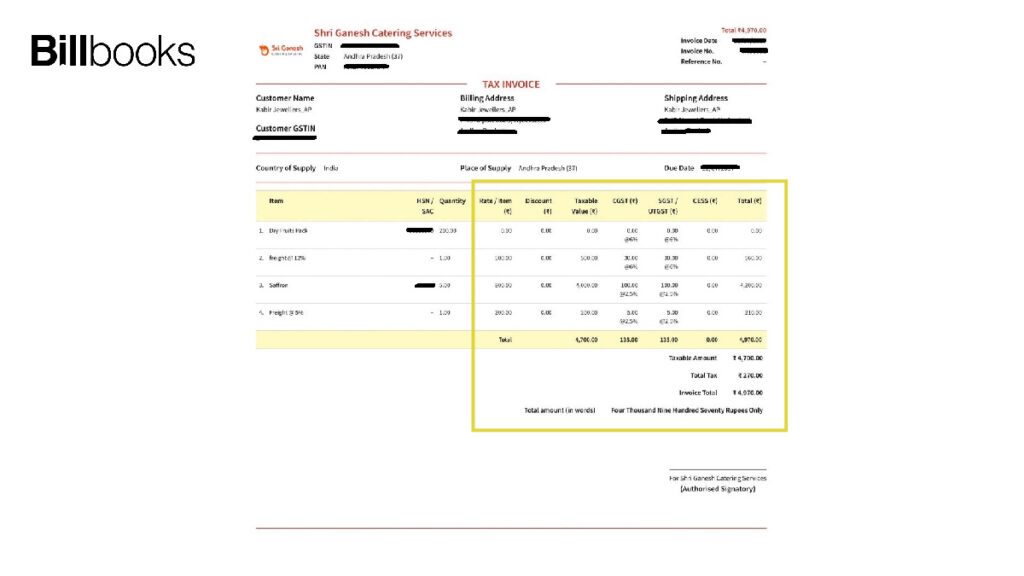
The main purpose of invoice is to determine the cost of services and products in a systematic order. You need to break the cost that together derives the final cost.
- Break down the products or services individually and write the cost related to each of them
- Before totaling the cost, mention the tax, chargeable VAT and discount offered and then determine the final price
- If you charge on hourly basis, indicate the total hours spent ,the cost of per hour, multiply it and determine the total amount
- Don’t forget to mention even the smallest expense spent during the project
Payment terms:
This section includes the following points:
- Clearly indicate due date, it can be in form of date or like make payment within 30 days
- If you offer discount on advance payment then mention the discount amount. For example, 10% discount, if paid within 15 days
- Also integrate late fees, if you charge any. If the customer fails to make payment within the due date, you can incur late fees
- Incorporate the mode of payment you offer, cheque, credit/debit card or trusted payment modes like PayPal, WePay etc.
Invoicing software
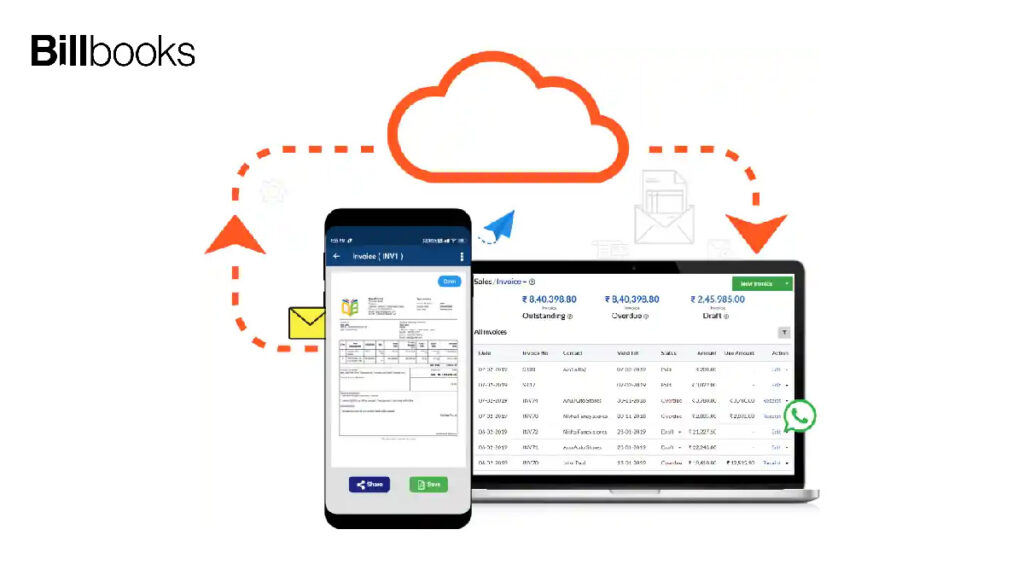
Working with invoicing templates can be a time-consuming process thus you can opt for a favorable option, invoicing software.
It has various advantages like:
- Online invoicing apps are easy to use, cost-effective and less time-consuming solution
- You can create large quantity of professional looking and customized invoices
- You can keep a check of your expenses and also prepare profit and loss statement
- You can allow partial payments as well as maintain recurring invoices
Remember, if you do invoicing wrong, you will not be in business for long. Well designed and creative invoices are mostly liked by the customers and might get you paid faster or at least on time. Like you pay attention to you work, also pay heed to invoice, as this is a crucial document for you to get paid for your toil.
So let’s begin the New Year keenly in a prosperous way…
Ready to simplify your invoicing?
Create your first invoice with Billbooks in under two minutes, free to start.
FAQs
Q: Why does invoicing matter so much for a brand new business?
Because without a proper invoice there is no written record, no agreed proof of the amount, and nothing professional to point to if a client disputes the charge. New businesses that get invoicing right from the start have fewer payment problems and get paid faster than those who wing it early on and try to fix habits later.
Q: What needs to be on every invoice without exception?
Your business name and contact details, a unique invoice number, the client's name and billing contact, a full itemised breakdown of what you are charging for, the total including tax, the payment due date, and how you accept payment. Every single one of those matters and missing any of them creates unnecessary friction.
Q: How should dates be written on an invoice?
In full, every time. 1st March 2025 is clear to anyone anywhere in the world. 1/3/2025 reads as January 3rd in some countries and March 1st in others. That confusion is easy to avoid and there is no good reason not to.
Q: Should late fees go on the invoice?
Yes and they need to be there before the due date, not introduced after a client has already missed it. A client who knows a late fee applies is more likely to pay on time. A client who finds out about it after missing the deadline tends to push back hard even when the fee is completely reasonable.
Q: Why is itemising an invoice better than just showing a total?
Because a lump sum invites suspicion and an itemised invoice does not. When clients can see exactly what each charge is for, they tend to pay without question. When they cannot, they start asking questions that slow everything down.
Q: Is invoicing software actually worth it when you are just starting out?
More so at the start than at any other time. Building good habits early saves a lot of pain later. Software handles recurring invoices, tracks who has and has not paid, keeps expense records, and produces professional results in minutes. The cost is small and the time it saves compounds every single week.
Q: What payment methods should a new business offer?
Whichever ones make it easiest for clients to actually send the money. Bank transfer, credit card, and platforms like PayPal cover most situations. The easier you make it to pay, the faster payment tends to arrive, it really is that straightforward.