

Key Takeaways
- Creating a brand identity is about choosing the persona one wants to create, as opposed to self-discovery.
- Individuals are able to see through people’s acts, and that is the very reason why brands lose trust in their personas.
- Talent alone does not create a brand. It only does if the talent begins to be associated with the person’s name.
- Understanding what your audience actually wants takes more than guessing, the emotional need usually matters more than the obvious one.
- Whatever you put online needs to match how you actually show up in person, any mismatch gets noticed eventually.
- A personal brand that lasts is built slowly through consistency, not through one good post that happens to land well.
When we talk about personal brand, both individual and brand matters. Now, this doesn't mean that only celebrity or famous person can successfully build their brand. More than pitch perfect marketing, refined messaging and choosing ideal platform to foster the product, you have to take a closer look on your reputation as it would have a direct impact on the success of your brand. Knowing yourself is the initial step to develop your personal brand. Personal branding is not about finding yourself, it is about creating yourself.
Famous personalities like Oprah Winfrey or Donald Trump have recognized their potential perfectly and thus have successfully shaped the brand of their own. Building personal brand is quite similar to product branding since the goal is to bring forth the distinct identity of the product in the market. The only difference is that in personal branding you are the product, so your reputation definitely matters.
Let us check out the basics to build your personal brand:
Make your brand authentic
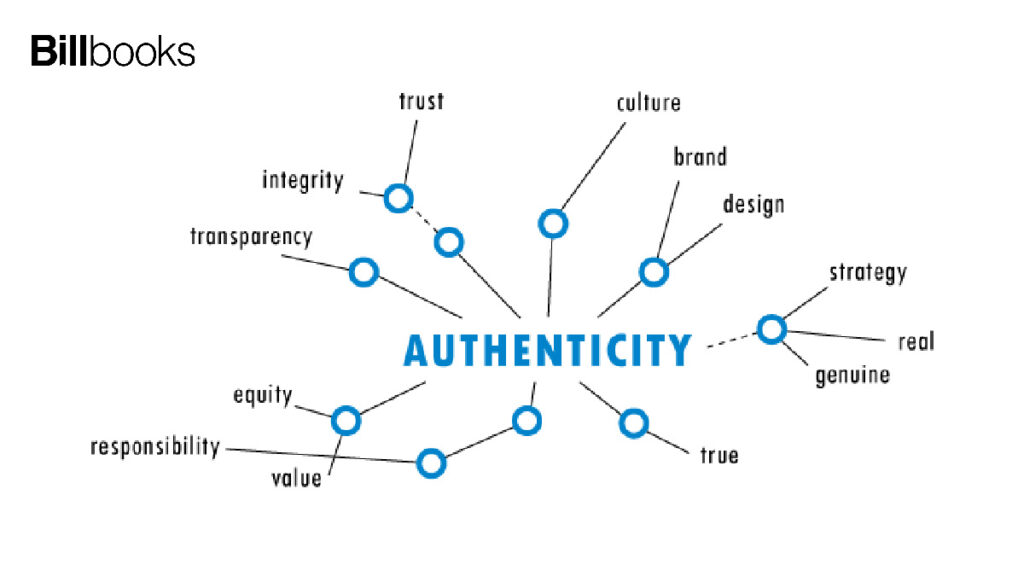
The most crucial part of building your personal brand is to be authentic.
- Shape and craft your brand the way your targeted audience wants it to be
- Focus on your strengths, likes, traits and present yourself positively
- Neither, fake about your brand or about yourself as both matters
- Be yourself but in a better way
- Flaunt your passion and genuineness in a perfect manner
Build a strong reputation

To come up as a strong personality, it is quite essential to make clear, who you are, what you do and what is your objective.
- To create a unique identity, just developing skills is not sufficient you need to get recognized for those skills, only this way you can be an expert
- Identify your capability and be known for it, this is the best technique to build your reputation
Know your targeted audience
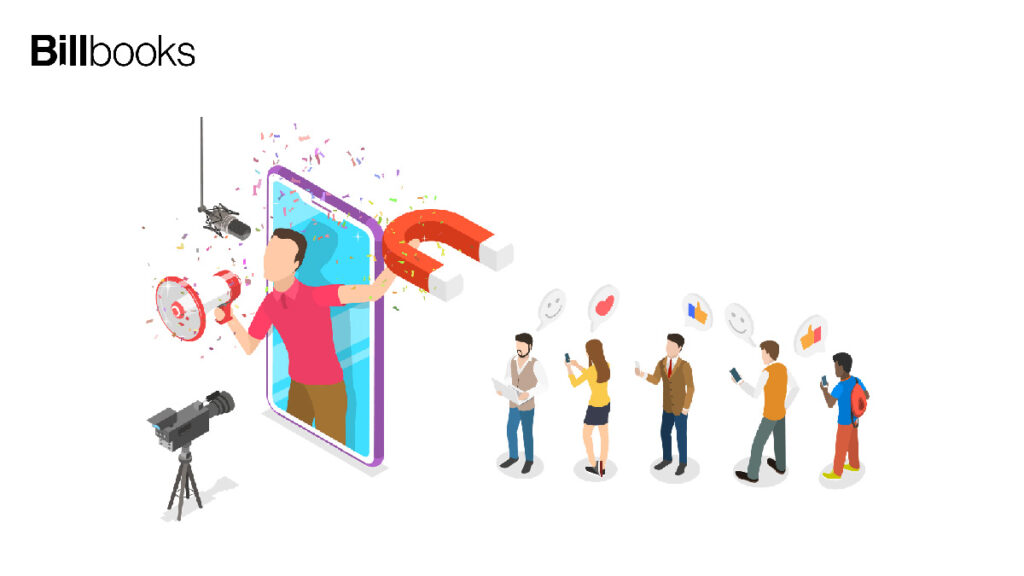
Like any other branding exercise, even in personal branding identifying your target audience is very important.
- You need to know what the functional as well as emotional needs of the audience are
- Functional needs are easy to identify but you may have to conduct proper research to discover the emotional requirements of the audience
- If some change is expected then identify why and how you can bring the change
Create and maintain online reputation

Neglecting online marketing can be your biggest mistake.
- Make sure you manage all attributes of your personal brand effectively, in-person and also on online platform to reinforce your brand
- Presently, clients, sellers or staffs are more likely to check or get information about a brand on web thus online presence plays a very important role while building personal brand
- You can develop your online reputation by making use of social media, creating your own website or blog, selecting right keywords, making profile easily searchable
- Make sure, what you present in-person is same offered on web, don’t mismatch the behavior or else it will spoil your reputation
- With the help of online platform, you are also expanding your presence
- You can engage your clients with online technique
When you make a decision to create, nurture and promote your genuine personal brand, your key action should be to build your reputation. You can create your identity by exclusively being yourself as this the sole technique which will make your personality, your vision and your brand, 100 % original.
Ready to simplify your invoicing?
Create your first invoice with Billbooks in under two minutes, free to start.
FAQs
Q: What does personal branding actually mean for someone who is not famous?
It just means how people see you professionally, what comes to mind when your name comes up. You do not need a huge following for that to matter, a freelancer trying to land clients or someone trying to stand out at work needs this just as much as a public figure does.
Q: How do I keep my brand from feeling fake or forced?
Stop trying to copy whoever you think is doing it right and lean into what you are actually good at and genuinely interested in. People pick up on performance pretty quickly. The version of you that holds up over time is the one that is actually you, just presented a bit more deliberately.
Q: Why does reputation matter more than just having the skills?
Because skills nobody knows about do not help you. Someone has to notice what you are good at and start mentioning it before it becomes a reputation. The skill is the starting point, recognition is what actually builds the brand.
Q: How do I work out what my audience really wants from me?
Forget the initial question; people tend to have their problems figured out, but they don't voice their feelings around those problems very often. A few simple talks with your target audience will give you more answers than guessing ever will.
Q: Does having an online presence actually matter that much?
Yes, because most people check online before they decide to trust someone, whether that is hiring them, working with them, or just taking their advice seriously. A decent website, an active profile, something searchable, all of it adds weight to the reputation you are building everywhere else.
Q: What happens if how I act online does not match how I act in person?
People notice and it costs you more trust than you would expect. Staying consistent across both is one of the easiest ways to keep a brand credible. One inconsistency tends to stick in someone's memory far longer than a dozen consistent moments did.