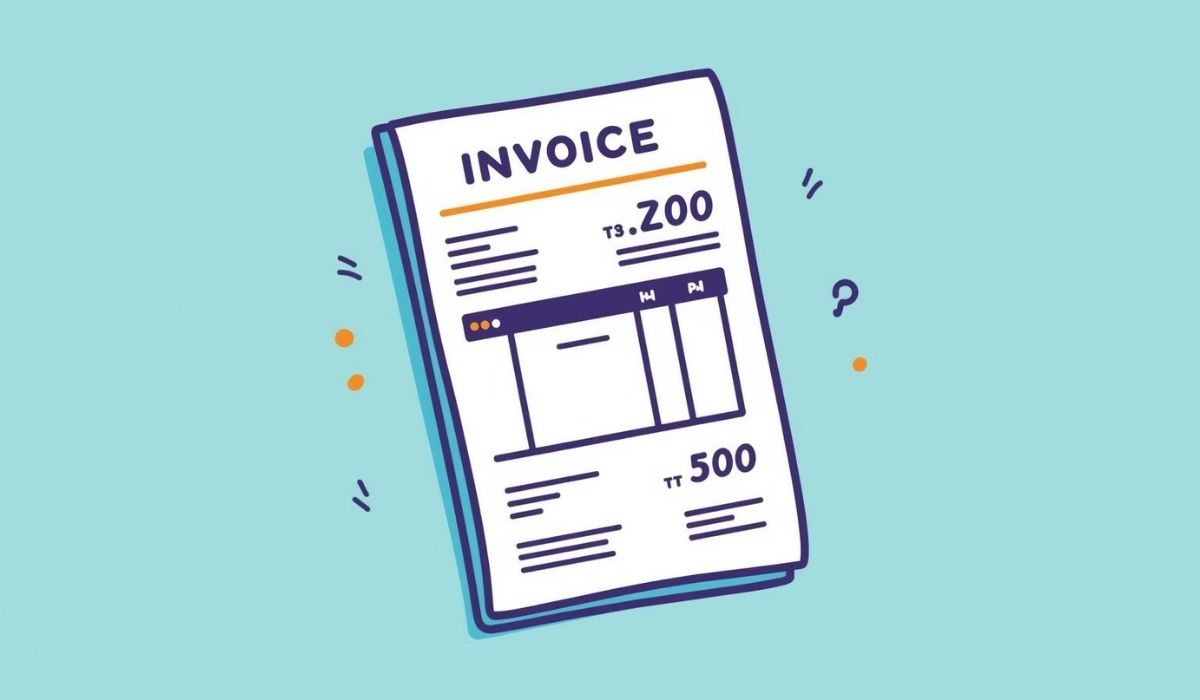
A proforma invoice is a preliminary bill you send before a sale is final. It itemizes costs and terms the way a real invoice does, but it does not request payment and does not create a binding sale. Think of it as a formal preview of what the invoice will look like once the details are locked in.
If you have ever quoted a customer a price, gotten their sign-off, and then needed something more detailed than a one-line estimate before you start work or ship a product, a proforma invoice is the document built for that exact gap. The International Trade Administration describes it simply as a quote in an invoice format.
What a proforma invoice actually does
It is an estimate, not a demand for payment
A proforma invoice looks like an invoice and lists the same information: line items, quantities, pricing, delivery terms. What it does not do is oblige the buyer to pay. Nothing has been sold yet. Its job is to give the buyer a clear, professional preview of cost and scope before either side commits, which is why it sits closer to an estimate or a quote than to a bill.
It does not touch your books
Because no sale has happened, a proforma invoice has no accounting effect. It is not revenue for you and not an expense for the buyer, and it does not belong in accounts receivable or accounts payable. That only starts once you issue the real invoice. The practical upside: if the deal changes shape or falls through after a proforma goes out, there is nothing to reverse on either side, because nothing was ever booked.
When businesses actually use a proforma invoice
Before a new client commits
Sending a detailed proforma gives a new client something concrete to review and approve internally before you start. That matters most on custom orders, project work, and any job with enough moving parts that a one-line quote would not cover it.
For internal budget approval
Some buyers, particularly at larger companies, need a formal document to route through their own approval process before a purchase order gets cut. A proforma invoice gives their finance team something that reads like the real thing without you having to treat the deal as closed.
In international trade
This is where a proforma does real paperwork. According to the International Trade Administration, a pro forma invoice may be required by the buyer to apply for an import license, contract for pre-shipment inspection, open a letter of credit or arrange for transfer of hard currency. Note who needs it there: the buyer, for their bank and their own authorities. That is a different thing from what US customs will accept at the border, which is worth separating carefully, because the two get conflated constantly.
The step after the buyer says yes
Billbooks turns an agreed quote into a real invoice without retyping it, then tracks whether it has been viewed and paid so you are not chasing to find out. Free for 30 days, no credit card.
What US customs actually requires
A proforma invoice is not a substitute for a commercial invoice at the US border, and the rules are specific about this.
The baseline is that a commercial invoice shall be filed for each shipment of merchandise under 19 CFR 141.83. The International Trade Administration puts the same point in plainer terms: a commercial invoice is a required document for the export and import clearance process, and it is what customs officials in the buyer's country use to assess duties and taxes.
A pro forma invoice only comes into it as a fallback. Under 19 CFR 141.91, goods can be entered without the required invoice, but only when US Customs and Border Protection is satisfied that the failure to produce it is due to a cause beyond the importer's control. Even then the importer has to file a declaration of inability along with a pro forma invoice, post a bond equal to one and one half times the invoice value of the merchandise, and produce the real invoice within 120 days of filing the entry summary.
So the honest summary is that a pro forma buys time under conditions, at the cost of a bond and a deadline. It does not replace the commercial invoice. If you want the fuller comparison of the two documents, we cover it separately in proforma invoice vs commercial invoice.
Proforma invoice vs a regular invoice
A regular invoice is a real request for payment for goods or services delivered or in progress, and it lands in your accounts receivable the moment you send it. A proforma never reaches that stage. The difference is not cosmetic: one starts a payment clock and a bookkeeping entry, the other starts a conversation.
Proforma vs a quote or estimate
A proforma invoice and a quote do a similar job, but the proforma is more formal and usually carries details a simple quote skips: shipping terms, delivery timelines, payment conditions, and for cross-border deals, customs information. That extra structure is exactly what makes it usable for the financing and import situations above, where a one-page quote would not hold up.
What to include in a proforma invoice
Label it clearly as a proforma invoice in the title so nobody mistakes it for a real bill. Beyond that, include your business details and the buyer's, a description of the goods or services with quantities and unit prices, any discounts or shipping charges, the estimated total, your proposed payment and delivery terms, and an expiration date for the pricing. That last one is not a formality. Material costs, freight rates and currency all move, and an open-ended price is a problem you have handed to your future self.
Does a proforma invoice count as revenue?
No. It has no accounting effect until it becomes a real invoice. It will not appear on a profit and loss statement, will not change your accounts receivable balance, and does not need reversing if the deal shifts. Treat it as a sales and planning document, not a bookkeeping one.
How to turn a proforma into a real invoice
Once the buyer approves it and the deal is confirmed, keep the final invoice as close to the proforma's numbers as you reasonably can. If a real cost moved, a material price, an updated shipping quote, a currency swing, say so rather than letting the buyer find it on the final bill. Then send the actual invoice through something that tracks whether it has been opened and paid, so following up is not guesswork. If you are still working out what belongs on that final document, what is an invoice covers the fundamentals.
Two free tools for the quote and the invoice that follows it
Frequently asked questions
Is a proforma invoice legally binding?
No. A proforma invoice is a good faith estimate, not a binding sale. Only the final invoice creates an obligation to pay.
Does a proforma invoice count toward my revenue or accounts receivable?
No. It has no accounting impact at all. Nothing enters your books until you issue the real invoice, which is also why nothing needs reversing if the deal falls through.
When do I actually need a proforma invoice?
The common cases are getting a new client's internal budget approval before you start work, giving a buyer a detailed cost preview on a custom or project based order, and international trade, where the International Trade Administration notes a buyer may need one to apply for an import license, arrange a pre-shipment inspection, open a letter of credit or transfer hard currency.
Can I use a proforma invoice instead of a commercial invoice for a US import?
Only as a conditional fallback. Under 19 CFR 141.91 goods can be entered without the required invoice when CBP is satisfied the failure to produce it was beyond the importer's control, and even then it takes a declaration, a pro forma invoice, a bond of one and one half times the invoice value, and the real invoice within 120 days of the entry summary.
What is the difference between a proforma invoice and a quote?
They overlap, but a proforma invoice is more formal and usually includes shipping terms, delivery timelines and payment conditions that a simple quote leaves out, which is why it holds up for financing and customs use where a quote would not.